
Defying Physics: The Advanced Engineering Making Modern Three-Wheelers Impossible to Tip
Historically, the biggest psychological barrier preventing wider corporate and consumer adoption of three-wheeled vehicles has been a single concern: stability. Traditional rigid tricycles, when forced into high-speed cornering or subjected to uneven weight distribution, face an inherent physical risk of tipping over. However, a quiet revolution in automotive engineering has successfully eliminated this design vulnerability.
Modern commercial and passenger tricycles are deploying cutting-edge mechanical and electronic stabilization technologies that completely redefine vehicle safety.
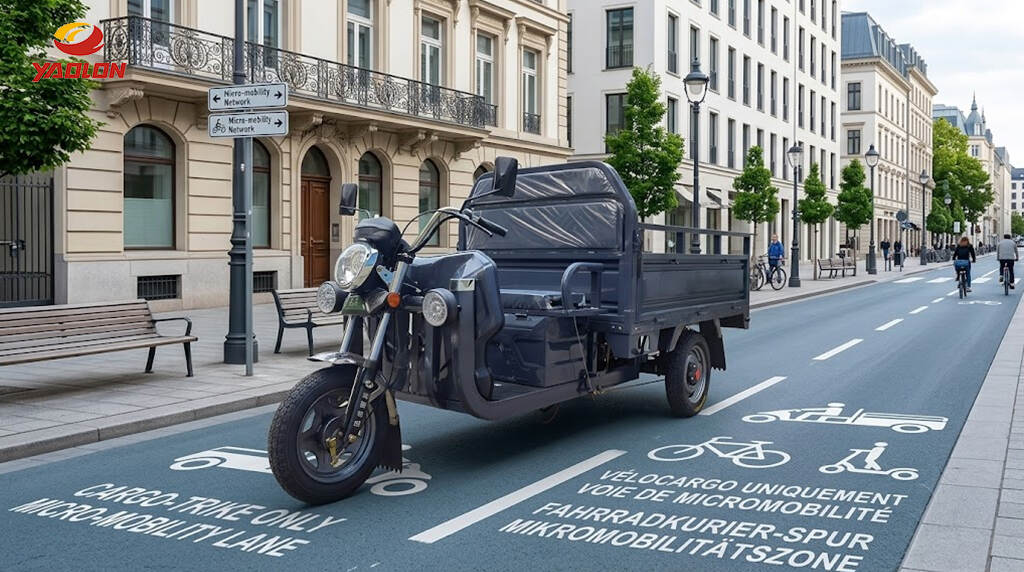
Active Tilting Technology (ATT): Drawing inspiration from motorcycle dynamics and aerospace engineering, advanced tricycles feature articulated front or rear axles. When entering a curve, the cabin or cargo box leans intuitively into the turn, shifting the center of gravity inward and completely neutralizing centrifugal force.
Electronic Stability Control (ESC) for Trikes: Sophisticated onboard sensors measure wheel speed, steering angle, and lateral acceleration hundreds of times per second. If the system detects a micro-slip or an unsafe lean angle, it automatically applies independent hydraulic braking to specific wheels, stabilizing the chassis instantly.
Low Center-of-Gravity (CoG) Architectures: By placing heavy components—such as battery packs or heavy-duty gearboxes—directly beneath the floorboards, engineers have created vehicles with a stabilizing base that resists rolling, even under maximum cargo loads.
These safety breakthroughs have elevated the humble tricycle from a basic utility vehicle to an automotive-grade transport solution. Businesses can now scale up their fleets with complete peace of mind, knowing their drivers and assets are protected by world-class safety engineering.