
Gas, Electric, or Hybrid? Cracking the Energy Code for Tricycles in Africa and Latin America
The global shift toward green energy is accelerating, and the tricycle industry is right at the epicenter of this transformation. However, if you are a fleet buyer or a distributor in markets like Colombia, Brazil, Nigeria, or Egypt, you face a complex dilemma: Should you stick to proven gasoline engines, or pivot to electric vehicles (EVs)?
Choosing the wrong powertrain for your local reality can ruin your operational efficiency. Let’s break down the logic:
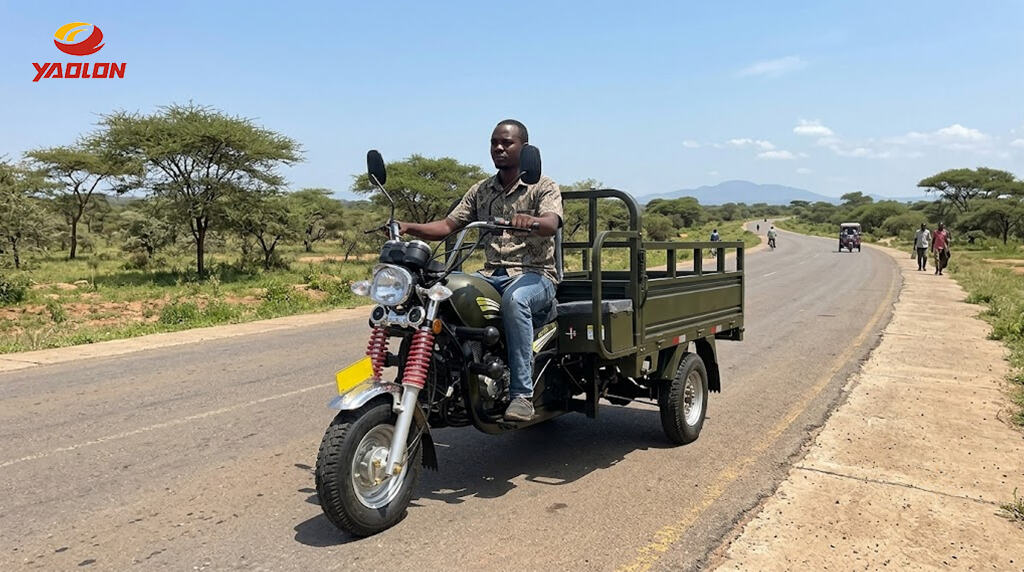
Gasoline/CNG Tricycles (The Reliable Workhorses): Ideal for rural regions, long-distance routes, and heavy-duty hauling where charging grids don’t exist. They offer unlimited range as long as fuel is available, and local mechanics know them inside out. However, they expose you directly to volatile global oil prices.
Electric Tricycles (The Ultimate Cost-Cutters): Perfect for structured urban environments, inner-city courier operations, and areas utilizing battery-swapping networks. Running costs can drop by up to 80% compared to fuel. The catch? You need a reliable local power grid or access to a professional swapping ecosystem.
The Verdict: If you operate inside major metropolitan areas with emerging battery-swapping infrastructure, electric tricycles are the future and will save you thousands of dollars in fuel. But for deep rural hauling and long climbs, heavy-duty fuel-powered trikes remain king for now. Match your purchase to your infrastructure.